



★★★★★Google review
Wasps had made a home in my front brick facade but thanks to Sting Out Pest Control, they were eliminated quickly and easily the first time. Very pleased with their services and would recommend.
In Tyandaga, Brant Hills and Aldershot, a yard that backs onto escarpment woods or Royal Botanical Gardens land has tick and wildlife habitat at the fence line. Across Burlington, mice look for a way in as fall nights cool. We handle ticks, mice, wasps, carpenter ants and wildlife, with no contracts.
Serving
Downtown Burlington · Alton Village · Millcroft · Tyandaga · Brant Hills
After hours, leave a message and we’ll call back as soon as we can.
Get a Free Quote
Most calls returned within 1 hour during business hours
LOCAL PEST PRESSURE
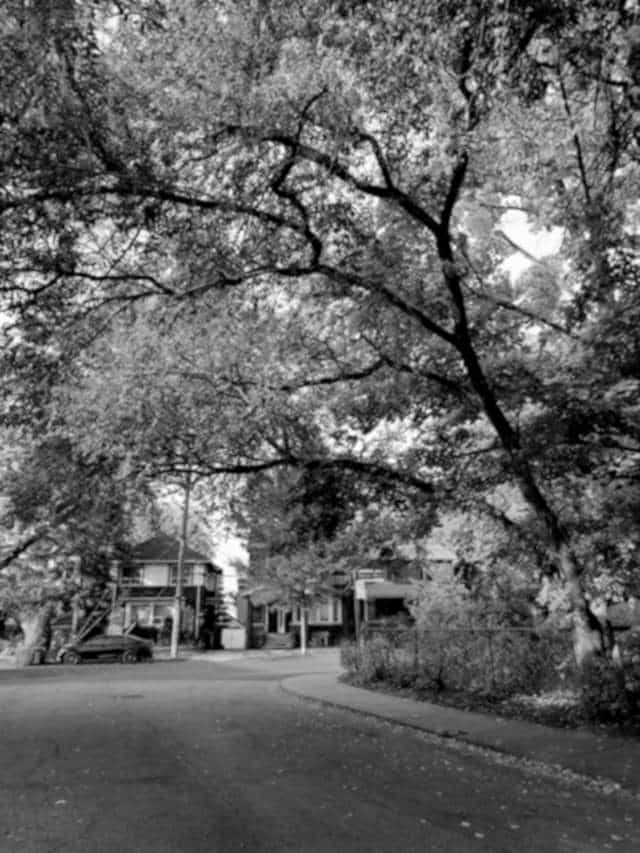
Burlington stretches from the Lake Ontario shore to the Niagara Escarpment, which runs through the west side of the city. The main urban area is south of Highway 407. North of it, and in north Aldershot, the land is mostly farms, rural homes and conservation areas such as Mount Nemo on the escarpment. Tyandaga and Brant Hills sit on the escarpment's hills, and Aldershot borders Royal Botanical Gardens land, including Hendrie Valley along Grindstone Creek. Shoreacres sits under a mature tree canopy near the lake, while Millcroft, The Orchard and Alton Village were built from the mid-1980s on. We cover all of it, and the plan depends on the property: a perimeter approach that suits a Millcroft lot is not the right plan for a Tyandaga yard backed onto escarpment bush.
Blacklegged ticks, the species that carries Lyme disease in Ontario, can be active on any day above freezing, with peaks in spring, early summer and fall. Halton Region Public Health treats all of Halton as an established blacklegged tick risk area, so ticks are not only an escarpment problem. They wait in leaf litter, tall grass and the brushy edge where a yard meets woods. For yards in Tyandaga, Brant Hills or Aldershot that back onto escarpment woods or Royal Botanical Gardens land, that edge is the fence line. Wildlife lives in the same woods, and when it gets into a house it shows up as roof and soffit damage, attic noise and torn vents. Treatment focuses on that boundary: tick applications along the tree line, and sealing roof and soffit openings with gnaw-resistant materials rather than foam.
Carpenter ants nest outdoors in dead trunks, stumps and logs, and indoors in moist, decaying wood, so a yard with old trees, as in Shoreacres and other neighbourhoods with a mature canopy, gives them more places to start. Because they favour wood already softened by moisture, finding the source of that moisture is part of the job. Surface sprays push foragers elsewhere without touching the colony; bait the workers carry back to the colony is what actually fixes it. Wasp colonies peak in size and aggression through late August and September, then die off at the first hard frost.
Mice head indoors as fall nights cool, so activity rises through October and November. A house mouse fits through a gap the width of a pencil. On newer builds in Millcroft, The Orchard and Alton Village the openings that matter are usually service penetrations, garage door seals and the gap under siding rather than anything you would notice from the yard. Older homes, like Aldershot's original 1940s and 1950s houses, more often have settled foundations, original utility runs and unsealed crawl space vents. Norway rats burrow under buildings, decks and sheds and along stream banks, and come in through larger openings. Trapping clears the population you have. Sealing the entry points is what stops the next one.
Cluster flies and boxelder bugs are not a sign of a dirty house, and neither breeds indoors. Cluster fly larvae live as parasites of earthworms in the soil, so homes beside big lawns, fields or pasture can get a lot of them. Through late September and October both mass on the warm, sun-facing walls of a house, usually the south and west sides, then work in through soffit gaps, siding laps, window frames and attic vents. Once they are inside a wall void they are effectively out of reach, and they reappear at windows on mild days through the winter. What works is an exterior application to those walls before they get in, in late summer or early fall. One visit covers both, because they arrive on the same schedule and use the same openings.
PEST TREATMENT LIST
Pick a pest to see how we treat it in homes and businesses across Ontario.
Reviews
Sting Out Pest Control helped me get rid of a pretty bad crawling insect problem in my office. They were friendly, easy to deal with, and explained everything clearly from the start. Instead of just spraying and leaving, they came up with a treatment plan that used different methods to get the problem under control. Over time, the infestation was completely gone. I now have them come by once a month for maintenance, and if anything small comes up, they take care of it right away before it becomes a bigger issue. It's been a great experience, and I have peace of mind knowing my office is protected. I would definitely recommend Sting Out Pest Control to anyone needing a reliable pest control company.
Review 1 of 9
WHERE WE WORK
These are some of the Burlington neighbourhoods we cover. If yours isn't listed, call us. We almost certainly serve it.
NEARBY SERVICE AREAS
FAQ
Yes, we cover all of Burlington including Aldershot, Tyandaga, Brant Hills, and properties backing onto the escarpment and Royal Botanical Gardens lands.
Wasp colonies die off after the first hard frost, but new queens overwinter nearby and look for the same kind of sheltered spot in spring, such as a soffit cavity, deck frame or wall void. Removing the nest solves this season. Sealing the cavity it nested in is what prevents the repeat.
Late August through mid-September, before they start massing on walls. The treatment is an exterior application to the sun-facing walls they gather on, and it only works while they are still outside. Once they have moved into wall voids there is no practical way to reach them, and you will see them at windows on mild days until spring.
Mice move from field and landscaping cover into houses as overnight temperatures drop. Recurring activity in the same season year after year almost always means a previous population was knocked down without the structural entry point being closed.
Often, yes. We offer same-day service throughout Burlington and the surrounding area when the schedule allows, so it helps to call early in the day.
Common pests in Burlington include ticks where yards meet escarpment woods or Royal Botanical Gardens land, mice as fall nights cool, and wasps and carpenter ants around older homes and mature trees.
We use Integrated Pest Management, so we treat where the pests actually are instead of spraying everywhere. Your technician will tell you if anyone, including children and pets, needs to stay off a treated area and for how long.
Yes, we cover all neighbourhoods and postal codes within Burlington. If you're unsure whether we reach your specific address, just call and we'll confirm same-day.
Pricing depends on the pest, property size, and level of infestation. We provide a free on-site quote with no obligation, and there are no hidden fees.
No. None of our plans require a binding contract. You can start with a one-time treatment and upgrade to a protection plan whenever it makes sense for you.