
★★★★★Google review
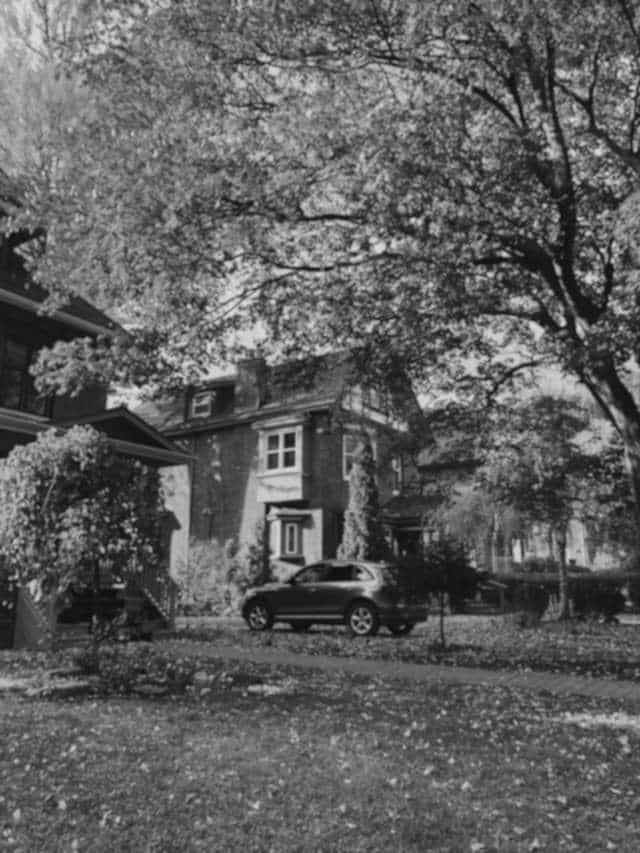
Wasps had made a home in my front brick facade but thanks to Sting Out Pest Control, they were eliminated quickly and easily the first time. Very pleased with their services and would recommend.
PEST CONTROL
Carpenter ants, pavement ants and the tiny ones in the kitchen
Ant control that goes after the nest, not the few ants on the counter. Spraying a trail kills the workers you can see and leaves the queen and her brood in the nest. We identify the species, put bait where the workers will carry it home, and find the damp wood or gap that let them in. For homes and businesses in Toronto, Oakville, Mississauga, Burlington and across the GTA.
Sawdust under a window frame or winged ants at an inside window can mean a nest in the house. Book an inspection.
Open 7 days until 9pm. Most calls are returned within 1 hour during business hours. After hours, leave a message and we’ll call back as soon as we can.
Ontario-licensed exterminators, insured
AT A GLANCE
Carpenter ant, the one that damages wood
WHAT TO LOOK FOR
If you’ve noticed any of these, call and a licensed technician will tell you what it points to.
Call (905) 739-7888IDENTIFICATION
Every ant has a pinched waist, elbowed antennae and six legs. Size and colour narrow it down: ants in Canadian homes run from about 1 mm to 13 mm long, and carpenter ants are the big ones. Crush one and smell it: a rotten smell points to odorous house ants. Then look at where they come from. A trail out of a crack in the patio or slab often means pavement ants. Ants coming out of window trim, with sawdust below it, point to carpenter ants. Winged ants are the queens and males of a mature colony, and are often mistaken for termites, which have been in Toronto since the 1930s.
TYPES
Camponotus spp.
The biggest ants in Ontario homes. Workers are 6 to 13 mm and come in several sizes in one colony. The black carpenter ant is black or dark brown; other species can be partly red or brown.
Where found: Moist or rotting wood: window and door frames, skylights, chimneys and porch posts, plus stumps and firewood outside.
The one that can damage the structure
Tetramorium immigrans
Small, light to dark brown ants with fine grooves on the head and back and paler legs. All the workers in a nest are the same size.
Where found: Under patio stones, sidewalks and slabs, leaving small mounds at the nest entrance. Indoors they come up through cracks in the concrete.
Tapinoma sessile
Tiny, 2.4 to 3.3 mm, brown to black, and gives off a rotten smell when crushed.
Where found: Under rocks and boards outside; indoors in wall voids near warmth and moisture, usually heading for sugary food.
Monomorium pharaonis
Very small, under 2 mm (about 1/16 inch), light yellow to reddish brown.
Where found: Inside buildings, in warm, dark spots near hot water pipes, kitchens and bathrooms. Mostly a problem in apartments, hotels and other large buildings.
Do not spray them: sprays can spread the colony into new nests
Myrmica rubra
Red or light brown, 4 to 5 mm. The one that stings, often many ants at once when the nest is disturbed.
Where found: Moist soil in lawns and gardens, and under pots, boards and other objects on the ground. Recorded in Toronto's Don River watershed and the Credit River watershed.
Invasive. Report new sites to the Invasive Species Centre
OUR APPROACH
Step 1
Carpenter, pavement, odorous house and pharaoh ants eat different foods and nest in different places, so the bait and where it goes change with the species. Pharaoh ants show why this comes first: spraying them can split one colony into several.
Step 2
Bait is placed on the trail the workers are using, so they carry it back and share it through the colony, queen included. The trail on your counter is the delivery route to the nest. Wiping the trail with cleaner or spraying it after a visit can cut that route off.
Step 3
For carpenter ants, the job includes finding the parent nest and any satellite nests, because both have to go or the ants come back. Their nests are in wood that is damp for a reason: a leaking window, roof edge, chimney, eavestrough or porch post. The inspection points to where that is.
Step 4
Outside, a perimeter application along the foundation. You also get a list of what is bringing ants in, such as branches touching the house, firewood against the wall, and cracks in the foundation or slab.
BITES AND STINGS
Some do. Carpenter ants have strong jaws and bite if you handle them, and they can inject formic acid into the wound, which makes it sting. European fire ants sting, and when you disturb a nest in the lawn or garden they come out in numbers, each one able to sting more than once. Their stings cause burning, itching and small pustules. A severe allergic reaction is very rare, but trouble breathing or swelling of the face or throat after stings is a reason to call 911. If a reaction worries you and it is not an emergency, call Health811 at 811 to talk to a registered nurse, day or night.
RISKS AND DAMAGE
It depends on the species. Carpenter ants are the ones that damage the house: they remove wood to make room for their nests, and because they pick wood that is already damp, a nest often points to a leak or condensation. Pavement and odorous house ants are a kitchen nuisance, going after sugar, grease, pet food and crumbs. Pharaoh ants are hard to clear from apartments and large buildings because their colonies split, and control can take months or even years. European fire ants make a lawn or garden painful to work in.
A few small ants in the kitchen are a nuisance you can often fix yourself; carpenter ants inside, pharaoh ants, or a fire ant nest where people walk need a professional.
CAUSES
Ants come in for food and stay where there is shelter and moisture. A trail in the kitchen is workers going back and forth between a nest and food they have found, and that nest may be outside, under the slab or inside a wall. Carpenter ants are a different case: they choose the house because some of its wood is damp.
HABITS
Each species has its spot: pavement ants in soil under slabs and sidewalks, odorous house ants under boards outside and in warm wall voids inside, carpenter ants in moist wood with satellite nests nearby, pharaoh ants near hot water pipes, and European fire ants in moist soil under objects on the ground.
Most house ants want sugar and grease. Carpenter ants do not eat wood: they feed on dead insects and the honeydew aphids produce, and come inside for meat, sugar and fat. Pavement ants go for greasy and protein foods, including pet food, while odorous house ants prefer sweets.
A colony starts when a mated queen sheds her wings and digs a chamber to lay eggs. Eggs become larvae, then pupae, then wingless workers. Carpenter ants take at least about 60 days from egg to worker, and a colony needs several years and 2,000 to 3,000 workers before it produces winged ants. Odorous house ant, pharaoh ant and European fire ant colonies have several queens, and pharaoh ants spread by budding: a queen and a few workers carry brood away to start a new nest. That is why treatment aims at the queens and brood, not the workers you see.
In Ontario, ants are active from spring through fall. Carpenter ant colonies go quiet over winter unless the nest is in a heated part of the building, so ants active indoors in midwinter point to a nest inside. Winged carpenter ants form in summer, stay in the nest over winter and leave in spring or early summer. Pavement ants swarm in spring after rain, sometimes indoors. Pharaoh ants breed all year in heated buildings and mate inside the nest instead of swarming.
PREVENTION
A few ants in the kitchen you can usually handle yourself. Clean up what they are eating, then use a bait rather than a spray, and give the workers time to carry it back to the nest. Any product you buy should have a PCP number on the label, which means Health Canada has registered it, and you should follow the label directions exactly. Call a professional if you see carpenter ants or their sawdust indoors, winged ants at an inside window, tiny yellowish ants in an apartment, or a fire ant nest in a part of the yard you use.
Flying ants are not a separate kind of ant. They are a colony's winged queens and males, and a colony only makes them once it is mature. Outdoors in spring and early summer they are normal: colonies send them out to mate, and a mated queen sheds her wings and starts a new nest. Indoors is different. Many winged ants at an inside window most likely came from a nest in the house.
WHY CHOOSE US
Cancel anytime, with no lock-in and no pressure. If you keep us on, it should be because the work is getting results.
Inspection first, then targeted treatment with registered products used as the label directs. Your technician will advise on any precautions.
Treatments are applied by technicians licensed under Ontario pesticide rules.
Read what GTA homeowners and businesses say about us on Google Maps.
Reviews
Sting Out Pest Control helped me get rid of a pretty bad crawling insect problem in my office. They were friendly, easy to deal with, and explained everything clearly from the start. Instead of just spraying and leaving, they came up with a treatment plan that used different methods to get the problem under control. Over time, the infestation was completely gone. I now have them come by once a month for maintenance, and if anything small comes up, they take care of it right away before it becomes a bigger issue. It's been a great experience, and I have peace of mind knowing my office is protected. I would definitely recommend Sting Out Pest Control to anyone needing a reliable pest control company.
Review 1 of 7
COMMON QUESTIONS
Because spray kills the foragers on the surface and leaves the queen and brood in the nest, so the colony replaces them. With pharaoh ants it can make things worse: contact and repellent sprays can split the colony into new nests. Bait that workers carry back to the nest is what reaches the queen.
Find the nest, and usually more than one. Carpenter ants keep a parent nest with the queen and satellite nests elsewhere, and both have to be treated or the ants return within days or weeks. Then fix the damp wood they chose: carpenter ants rarely move into wood that is dry and sound.
In Ontario, most likely European fire ants. They are red or light brown, 4 to 5 mm long, and sting in numbers when the nest is disturbed. They are invasive, nest in moist soil and under objects on the ground, and spread when people move infested soil or mulch. Have the species confirmed before treating, and report new sites to the Invasive Species Centre.
Not with spray alone. A lasting fix means killing the colony with bait, then removing what brought it: food left out, damp wood, cracks in the foundation and branches touching the house. Mated queens from outside colonies can still start new nests nearby, which is why the prevention steps matter.
Yes. You can book a one-time ant treatment, or cover ants under the Complete Ant Protection plan. Pharaoh ants are covered in the Platinum Protection plan.
Last updated
FREE QUOTE
SERVICE AREAS
We treat ants in homes and businesses throughout Toronto and Southern Ontario.
See our residential pest control and commercial pest control services, or go back to the Sting Out home page.